The global market for home-use beauty devices has changed significantly over the past decade. As consumers increasingly seek convenient alternatives to professional treatments, demand for at-home beauty technologies has continued to grow.
At the same time, regulatory expectations have risen across global markets. In China, the introduction of Class II medical device management requirements for IPL hair removal devices marked an important turning point for the industry, raising requirements for product safety, quality management, and compliance. Similar regulatory developments in other regions have also increased emphasis on reliability and long-term product performance.
As a result, competition in the sector is increasingly being shaped not only by product innovation, but also by a company's ability to meet evolving regulatory and operational demands.
Building an International Business
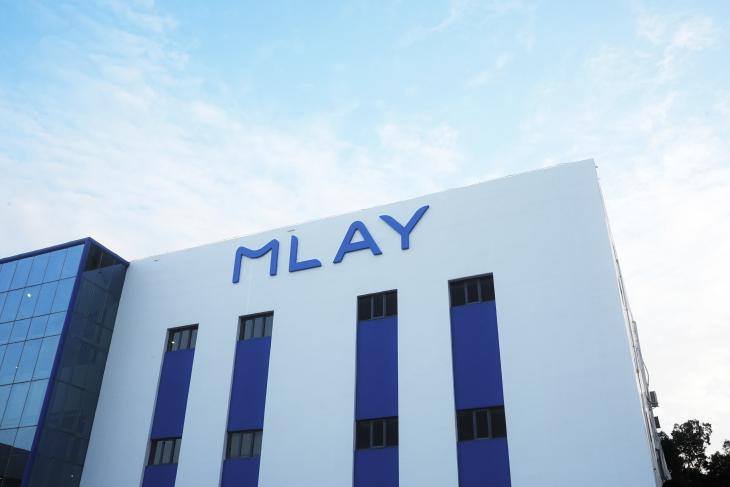
While many brands focused on rapid growth in the domestic market, Shenzhen-based beauty technology company MLAY pursued a different strategy.
Before developing its own global brand presence, the company spent years manufacturing products for international partners. During that period, it gained experience in product development, quality management, and the regulatory requirements of different regions.
Rather than competing primarily on price, MLAY chose to focus on areas that often receive less attention in fast-growing consumer markets: manufacturing consistency, product validation, and regulatory readiness.
Today, the company's products are distributed across 55 countries and regions, including Europe, North America, the Middle East, and Asia-Pacific.
Among its product portfolio, the T14 IPL hair removal device has played an important role in supporting international expansion. In the Middle East, where consumers often place strong emphasis on both efficacy and safety, the product has helped strengthen the company's presence in the region.
Navigating Industry Transition
According to founder Liu Libin, the original vision behind the company was straightforward: making professional-style hair removal technology more accessible for everyday consumers.
That vision faced a significant test when industry regulations began to tighten.
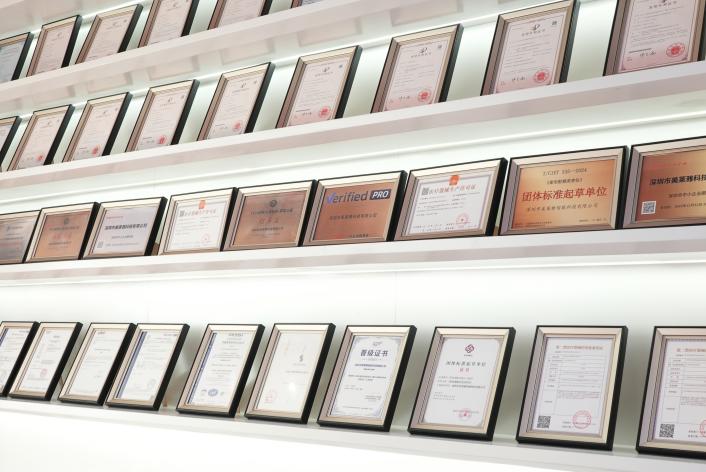
As compliance requirements increased, many companies found themselves under pressure to balance growth ambitions with rising certification and quality-management costs. For MLAY, the period between 2018 and 2020 became a defining stage in the company's development.
Rather than accelerating expansion, the company invested heavily in product validation, certification programs, manufacturing systems, and regulatory preparation.
According to the company, these investments required significant resources while offering little immediate commercial return. However, management believed that stronger compliance and quality capabilities would become increasingly important as global market requirements evolved.
In hindsight, that decision helped establish a foundation for broader international expansion as regulatory expectations continued to rise across multiple regions.
Driving Growth Through Product Innovation
Alongside investments in compliance and manufacturing, product development has remained a central part of the company's growth strategy.
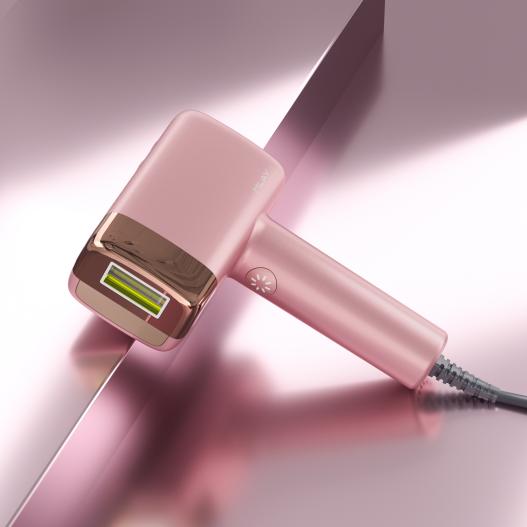
One example is the MLAY T34, developed to address engineering challenges associated with combining sapphire cooling technology and replaceable lamp-head systems within a single device architecture.
The project required multiple rounds of design refinement, testing, and engineering optimization before reaching commercial production.
More broadly, the development reflects a wider industry trend. As consumer expectations evolve, manufacturers are increasingly investing in technologies that improve user comfort, treatment consistency, and overall product experience rather than focusing solely on performance specifications.
For companies operating in the premium segment of the IPL market, innovation is becoming increasingly connected to usability, reliability, and long-term customer satisfaction.
Looking Beyond Innovation
As the home beauty device industry continues to mature, companies face growing pressure to balance innovation, regulatory compliance, manufacturing reliability, and operational scalability.
In this environment, success is increasingly determined by capabilities that consumers rarely see directly—from quality systems and validation processes to supply-chain management and international regulatory readiness.
MLAY's growth trajectory reflects a broader transformation taking place across China's beauty technology sector. What was once largely driven by manufacturing scale is gradually evolving toward a model built on product development, brand building, and long-term operational capability.
As regulatory requirements, consumer expectations, and market competition continue to evolve worldwide, companies that can combine innovation with compliance, manufacturing consistency, and scalable operations may be better positioned for sustainable international growth.
For the next generation of beauty technology brands, competitive advantage may depend less on short-term market opportunities and more on the strength of the systems, capabilities, and infrastructure built behind the products.

